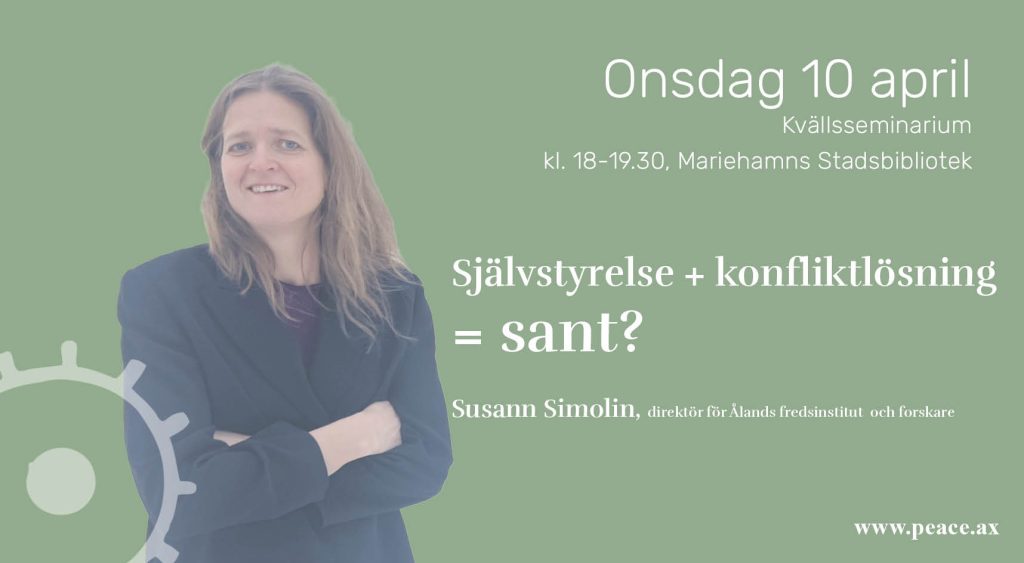
Janne Holmén och Niklas Bremberg – nya medlemmar i forskarrådet
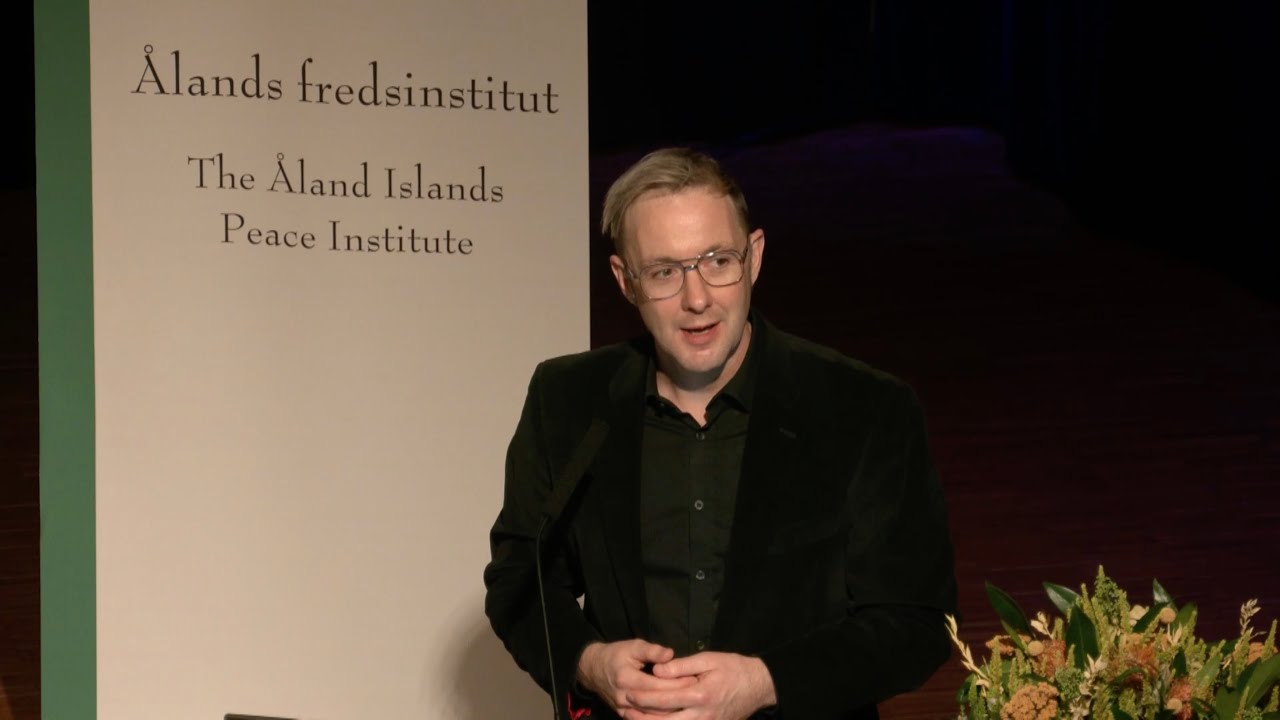
Niklas Bremberg och Janne Holmén blev invalda av styrelsen på årsmötet den 26 mars i Ålands fredsinstituts forskarråd. Niklas

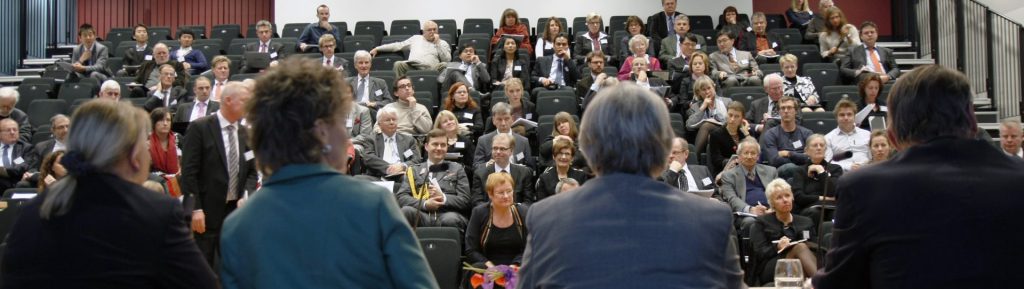
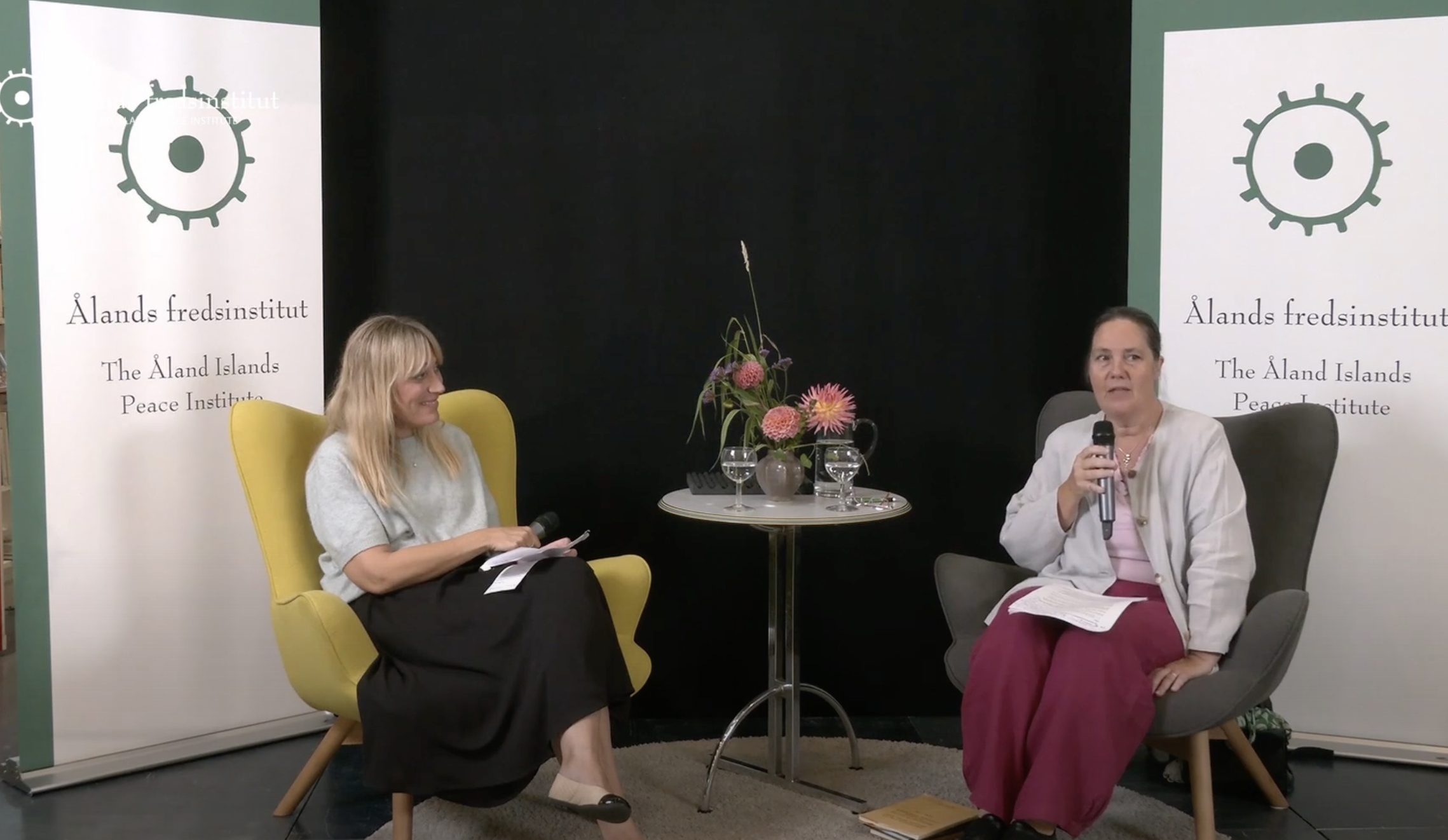
Ålands fredsinstitut presenterar 2022-års Åland Peace Fellow: Dr. Ralph Wilde, folkrättsjurist och forskare, som talar under rubriken ”Human Rights in Occupied Territories”. Seminariet hölls på FN-dagen, den 24 oktober och var en del av fredsinstitutets 30-års firande. Seminariet har en inledning på svenska men seminariet hålls därefter på engelska.
Anne Peters och Alexander Stubb samtalar om globala och regionala trender, världspolitik, krig och fred. Vilken omvärldsanalys gör de? Moderator för samtalet är institutets direktör, Sia Spiliopoulou Åkermark.
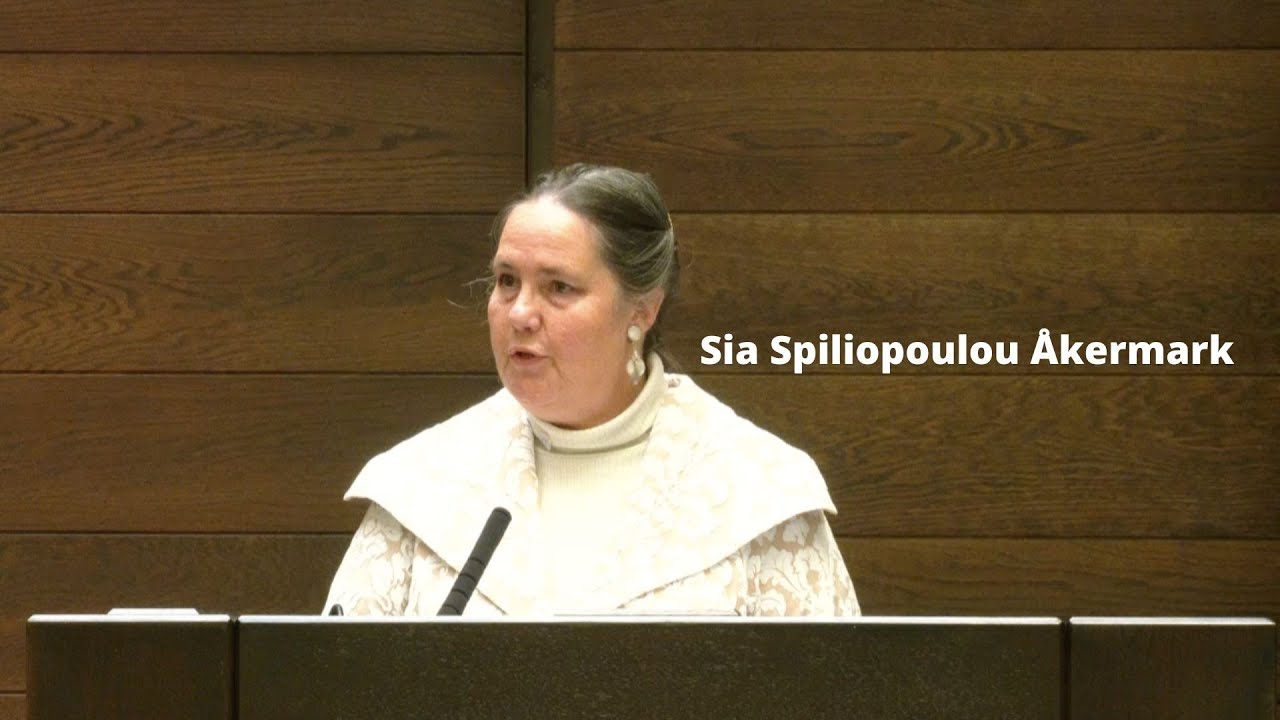
Fredsinstitutets direktör Sia Spiliopoulou Åkermark talar om demilitariseringen och neutraliseringen som en del av Ålandslösningen på seminarium anordnat av Ålands lagting den 20.10.2021.
Höjdpunkter från internationella demokratidagen i Alandica den 15 september 2021 med samtal om demokratiskt engagemang – boksläpp och tankeverkstäder.
2021-års Kastelholmssamtal med temat ”Att skapa fred – möten, medlaren och freden”. Årets panelister Jan Eliasson och Björn Vikström samtalar med president Tarja Halonen. Samtalet modereras av Sia Spiloipoulou Åkermark.
Ålands fredsinstitut presenterar 2022-års Åland Peace Fellow: Dr. Ralph Wilde, folkrättsjurist och forskare, som talar under rubriken ”Human Rights in Occupied Territories”. Seminariet hölls på FN-dagen, den 24 oktober och var en del av fredsinstitutets 30-års firande. Seminariet har en inledning på svenska men seminariet hålls därefter på engelska.
Anne Peters och Alexander Stubb samtalar om globala och regionala trender, världspolitik, krig och fred. Vilken omvärldsanalys gör de? Moderator för samtalet är institutets direktör, Sia Spiliopoulou Åkermark.
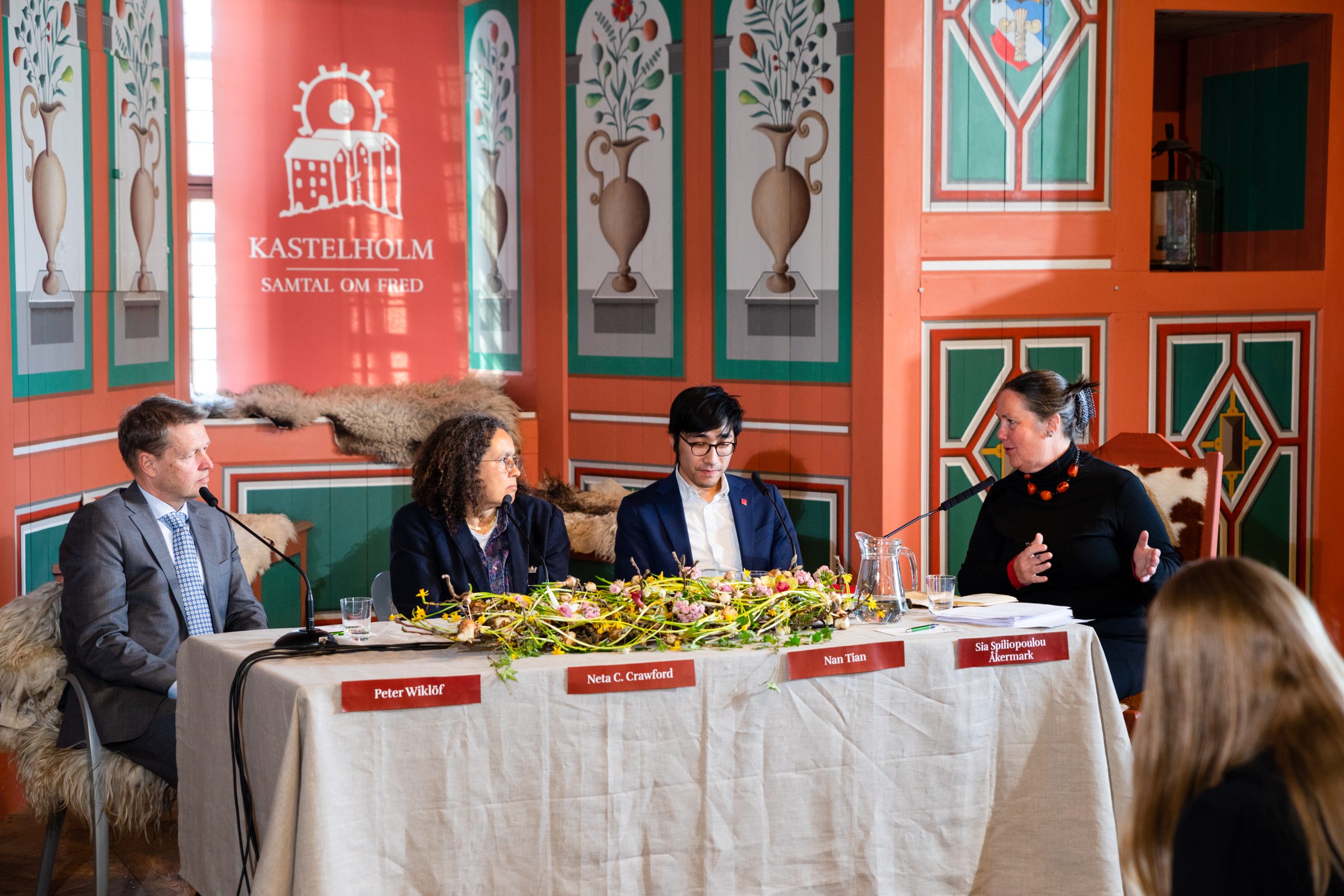
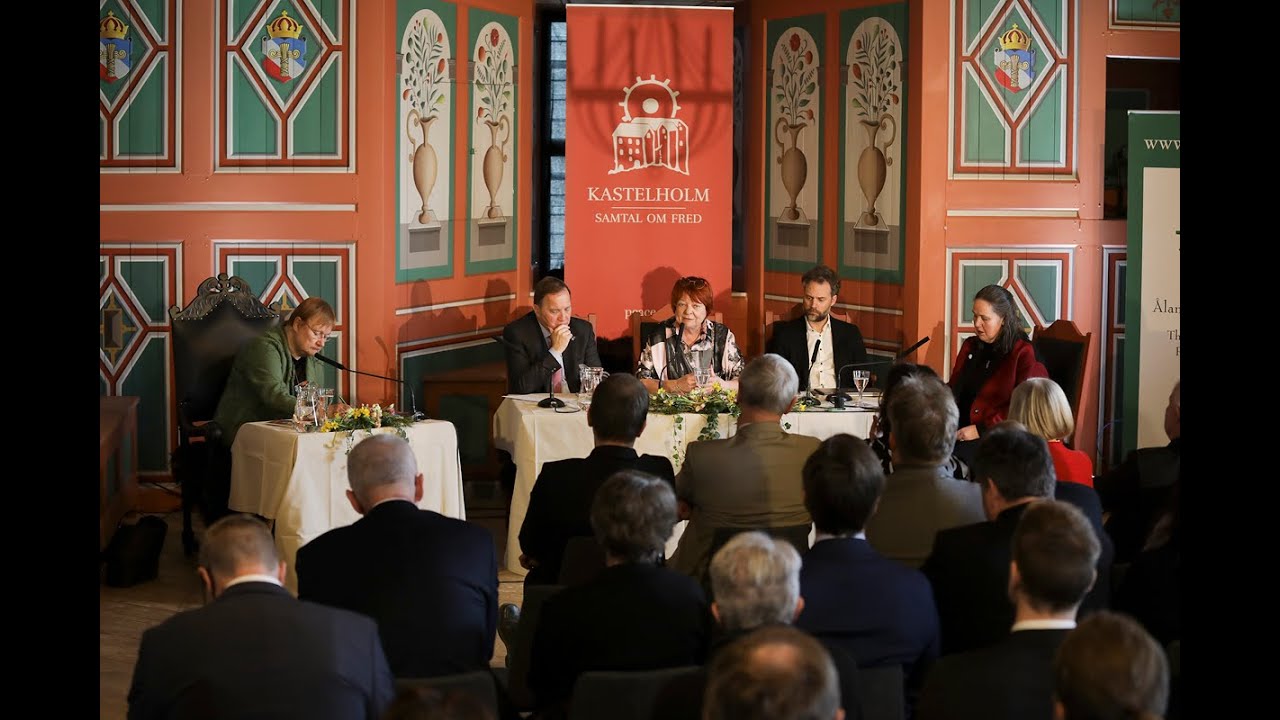
Ålands fredsinstitut presenterar 2022 års Kastelholmssamtal om fred. Samtalens beskyddare president Tarja Halonen samtalar med Stefan Löfven, Tarja Cronberg och Mikael Wigell på temat ”Genombrott eller sammanbrott? Om förtroendeskapande och nedrustning idag”.
Fredsinstitutets direktör Sia Spiliopoulou Åkermark talar om demilitariseringen och neutraliseringen som en del av Ålandslösningen på seminarium anordnat av Ålands lagting den 20.10.2021.
Höjdpunkter från internationella demokratidagen i Alandica den 15 september 2021 med samtal om demokratiskt engagemang – boksläpp och tankeverkstäder.
2021-års Kastelholmssamtal med temat ”Att skapa fred – möten, medlaren och freden”. Årets panelister Jan Eliasson och Björn Vikström samtalar med president Tarja Halonen. Samtalet modereras av Sia Spiloipoulou Åkermark.